High Plains Gardening
The gardening website of the Texas High Plains Region




Attracts hummingbirds.
Perennial vine native to the Southwest. Late summer to fall bloom with slender, thin whitish sepals, followed by attractive plumes that are feathery seed clusters. The vine is valued for it's delicate beauty of leaf, flower and plume and drought tolerance. Clematis drummondii is a larval host and/or nectar source for the fatal metalmark butterfly.
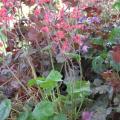
Heucheras are native to the North American continent and make wonderful foliage and flower plants for your woodland border. Grown mostly for its interesting, evergreen foliage, coral bells will continue to flower on mature plants if kept deadheaded into the summer. Although the native heucheras are great in themselves, there are hundreds of hybrid cultivars to choose from.
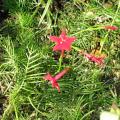
Cypress vine is a native annual tropical vine of the Americas, but has naturalized in Florida and the Gulf Coast areas; said to be cold hardy to Zone 6. Fine lacy or thread-like leaves twine as it grows, putting on scarlet red flowers in summer. In addition to being a climber, it can be used as a groundcover.